




 English
 Español
Peruvian Beer: Origin, Major Brands, How It's Consumed, and Why It Matters
Dude, Peruvian beers are just embedded in the whole country, you can't separate them from the soil, from the crops, from the history. It was all integrated with this incredible agricultural background that was the source of many different brews. You've got the old-school classics like Pilsen Callao and Cusqueña that go way back, and then these newer craft spots popping up that pull from all the different ethnic vibes and regions across Peru. Honestly, you might grab a bottle off the shelf without even thinking about how it's packed with over a hundred years of regional bragging rights, corporate drama, and straight-up pride. That's what I love about Peruvian beer-it's not just something to gulp down when the sun is scorching. It's a bit like the way the country has been transformed from colonial times right up to the present, when a few major players basically run the show. So here are the big, the ubiquitous, the ones that dominate fridges, party chats, and plenty of people's memories. I'm going to cover where they came from, who started them, who drinks them now, and how much of the market they have.
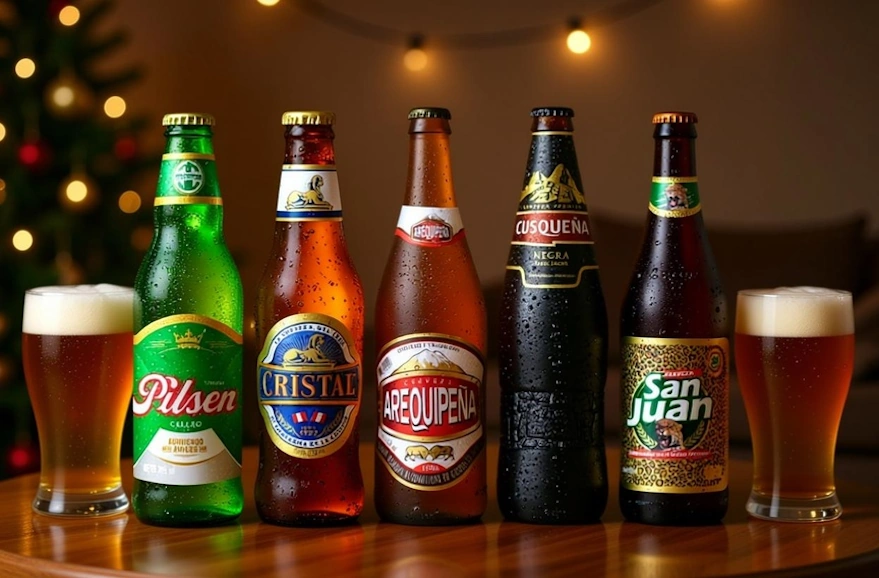
Pilsen Callao: The OG That Kicked Everything Off
Pilsen Callao is straight-up the oldest beer in Peru. It launched back on October 15, 1863, when this German brewer named Federico Bindels set up shop in the port of Callao. He teamed up with a French guy, Aloise Kieffer, and they started making the country's first commercial beer. They were going for that Czech Pilsner style-clean and crisp, the kind that was gaining popularity in Europe at the time. Before long it was earning medals at major international exhibitions, including one in Paris in 1878. Solid rep right from the start.
Fast forward to 1904, an Italian dude named Faustino Piaggio buys it and turns it into this big operation called Compañía Nacional de Cerveza. Sales explode. It survives wars, economic messes, even a nasty bad batch in 1990 that tanked things for a bit. Then in 1994, Backus & Johnston swoops in and grabs most of it-something like 62%-and folds it into their massive empire. These days it's brewed in a bunch of places, like Motupe and Pucallpa.
Who drinks it? Mostly working-class folks, middle-aged crowd along the coast, especially around Lima and Callao. It's known as the "beer of true friendship"-cheap, dependable, perfect for passing around in big bottles with your crew. From what I've seen, it holds maybe 20-30% of the national market, always in the top three. Varies a little year to year, but yeah, it's a staple.
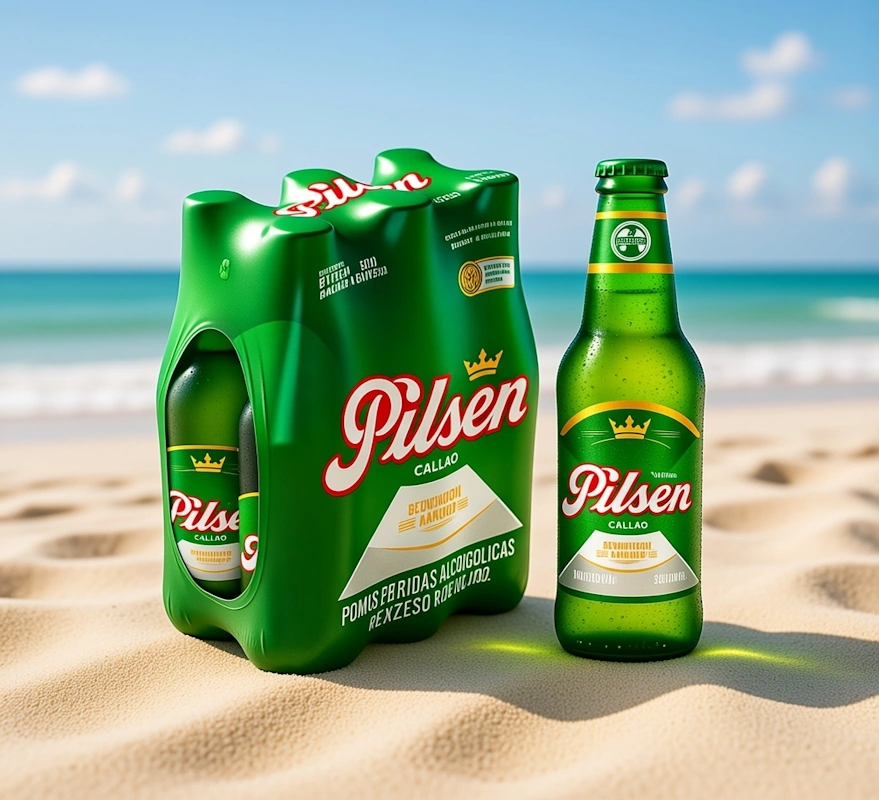
Cristal: The One Everybody Reaches For
Cristal showed up in 1922, brewed by Backus & Johnston down in the Rímac neighborhood of Lima. Those guys-Jacob Backus and Howard Johnston, Americans-started the company back in 1879 making ice, but switched to beer and hit gold with Cristal. It's a nice light lager, about 5% ABV, super easy drinking.
They tag it as "La Rubia" (The Blonde One) and leans big on nationalism-sponsors the Sporting Cristal soccer team, big events, and so on. There are fans of all ages, but it is considered a younger, more urban, crowd particularly in Lima and in the central regions. Hands down, it's the market leader. People guess it has 40-50% share these days, easily the most drunk beer in the country.
On the coast and in cities, it battles Pilsen Callao for the crown, but nationally Cristal usually wins thanks to all that heavy marketing muscle.
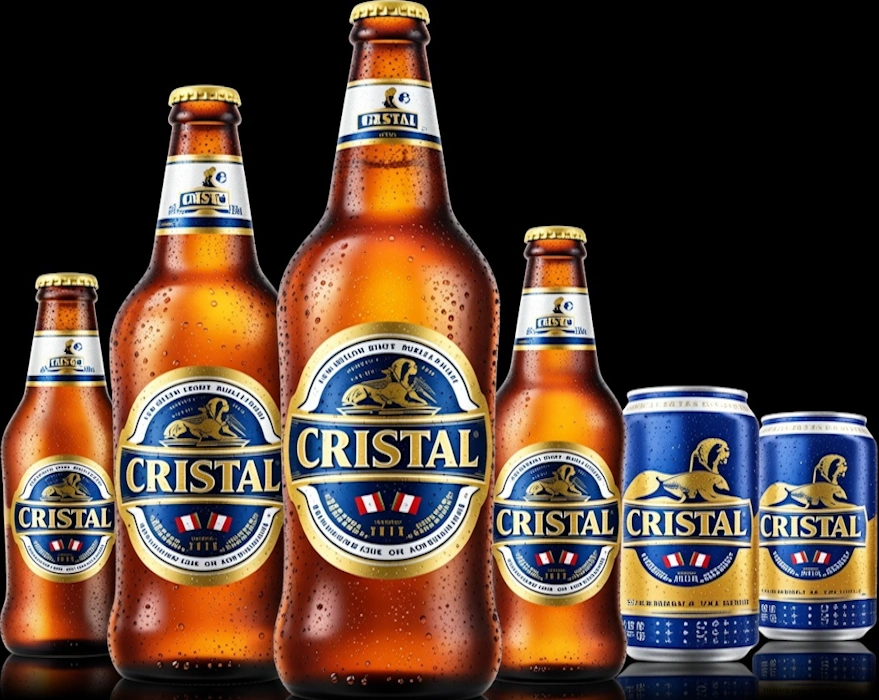
Cusqueña: The Fancy One from the Mountains
Cusqueña got going on October 1, 1908, when a German named Ernesto Günther opened a branch of his Arequipa brewery up in Cusco. First batch came out later that month in 1909. Started as a simple local pilsner, but now it's this premium lineup-Dorada (golden), Negra (dark), Roja (red), Trigo (wheat), even some with quinoa thrown in.
It was part of Cervecería del Sur and went head-to-head with Backus until 2000, when Backus bought it to keep foreigners from snatching it. Now they push it as high-end stuff-"the gold of the Incas"-made with pure barley and those fancy Saaz hops, still around 5% ABV.
This is more for the middle and upper classes, particularly in the southern cities of Cusco, Arequipa, Puno, and the better quarters of Lima. You feel more polished, like something you would get for a special evening. Market share? Probably 15-20%, but it's climbing in the premium world.
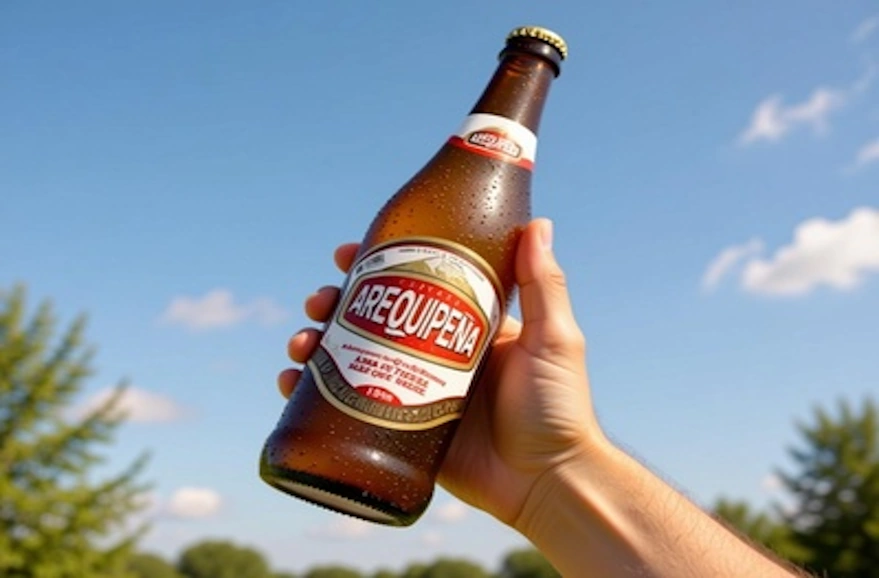
Arequipeña: Pure Southern Swagger
Arequipeña kicked off in 1898 from this German-run brewery in Arequipa. Became a total local legend-slogans about being "proud and with character, like a real Arequipeño." It's brewed out in Sachaca, classic pilsner, 4.6-5% ABV, nice malty balance.
Before Backus grabbed Cervecería del Sur in 2000, it was giving Cusqueña and Cristal a real run. Still made there today, and it's huge with folks from Arequipa and the south who treat it like a badge of identity. Nationally it's smaller-maybe 5-10%-but in Arequipa? Untouchable loyalty.
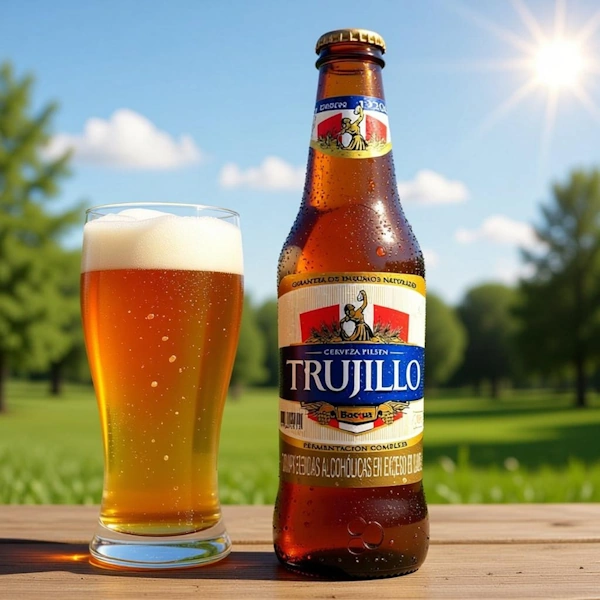
Pilsen Trujillo: Up North, They Swear By This One
Pilsen Trujillo goes back to 1920, started as "Cerveza Libertad" from the Sociedad Cervecera de Trujillo. Factory opened in 1918, copying that Callao pilsner vibe. Grew into a northern favorite before Backus bought it in 1994.
Known for steady brewing, balanced flavor. Mostly drunk up in La Libertad, Piura, Lambayeque-people tie it to local pride. Nationally around 5-10%, but it owns the north.
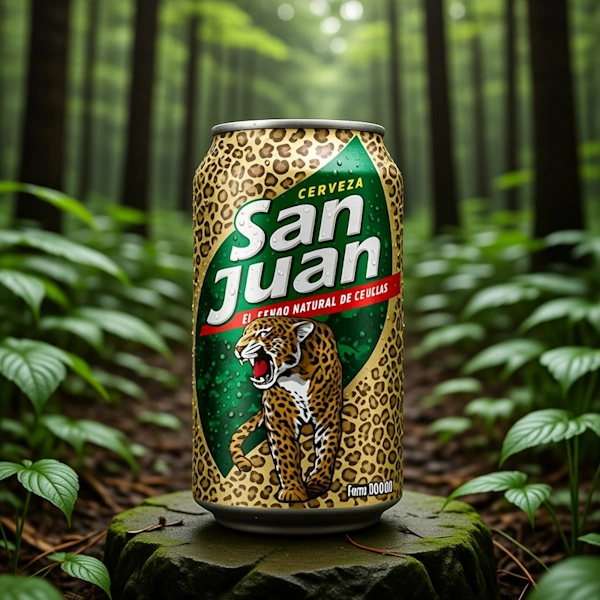
San Juan: The Jungle's Go-To
San Juan started September 2, 1971, put together by some Peruvian entrepreneurs in Pucallpa, Ucayali region. Named after San Juan Bautista, aimed right at the Amazon crowd with a 5% pale lager. They even brought canned beer to Peru first in 1980. Backus picked it up in the '90s.
It's massive in the jungle, especially Pucallpa-straight-up icon for good times there. Super regional loyalty, maybe 5% nationally but king in the east.
How It All Fits Together and What Beer Means in Peru
The thing is, Backus owns like 95% of the market through all these buyouts. So these brands cover everything: Cristal and Pilsen Callao for the everyday masses, Cusqueña for when you want to feel fancy, and the others-Arequipeña, Pilsen Trujillo, San Juan-for that regional "this is ours" vibe.
Pretty much everyone drinks beer in Peru, from guys getting off work to party kids at night. Younger city folks lean Cristal or Cusqueña, older ones stick with the classics they've loved forever. You know that tradition of passing the big bottle around in a circle? It levels everybody out, makes things feel equal.
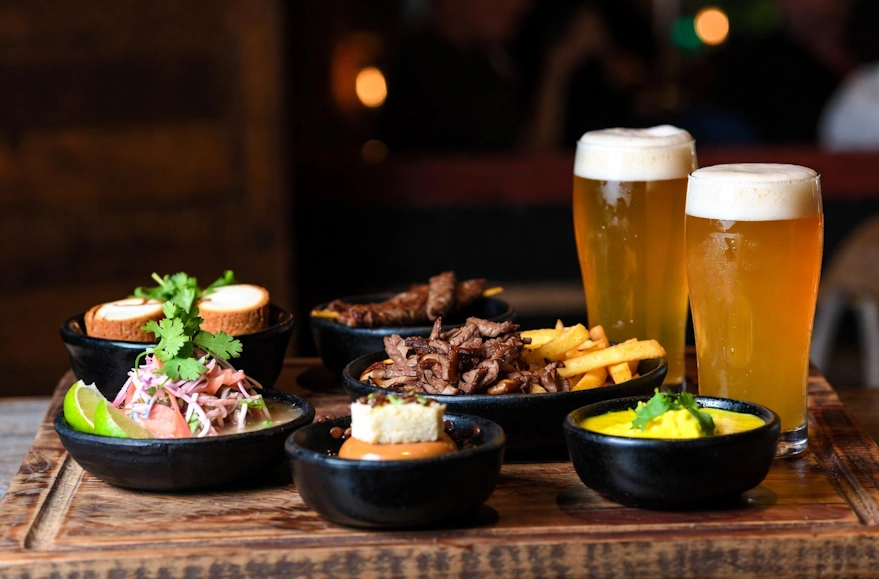
At festivals-like Lima Beer Week-you'll see these big ones right next to crafts. And food pairings? Arequipeña with a spicy shrimp chowder down south, San Juan with whatever wild feast they're having in the jungle.
Craft beer is growing, sure, but these giants aren't going anywhere. Cristal rules Lima, Cusqueña the highlands, Pilsen Callao the coast. Each one kinda tells a piece of Peru's story-diverse regions, proud people.
If You Want to Know More
Search for some "Beer in Peru" guides on the Internet or pick up some books about the history of Latin American breweries. Follow the Backus pages or regional accounts-they drop fire content.
But anyway, Peruvian cerveza is a living blend of tradition, pride and hanging out with friends. Rustle up one of those breeds the next time you crack open a cold one, and remember: There's history in that bottle. ¡Salud!
A Quick And Dirty FAQ From People Always Ask
What's the deal with chicha versus regular beer?
Chicha's that fermented corn drink-sweeter, lower alcohol. Modern beers use barley and hops for that bitter kick. But some craft guys are mixing the two now, which is pretty cool.
Do Peruvian beers travel well?
Yeah, Cusqueña and others are in the US and Europe. Exports make up 20-25% of what they produce, and they've won awards abroad.
Want to try homebrewing?
It's simpler than you think. Get a basic kit, boil some malt extract with water, throw in hops, ferment a week or two. Simply sanitize everything extremely well or you'll be producing funky contaminated batches.
Are craft beers pricier?
Definitely-often 50-100% more because of better ingredients. But man, the flavors... try a cacao stout sometime. Worth it.
What beer goes best with ceviche?
Something light and cold, like Pilsen. Cuts through the lime and fish perfectly. Stay away from anything heavy.
Any good non-alcoholic options in Peru?
Yeah, Cristal has some, and craft ones are getting close to 0.5%. They're blowing up in 2025 with everyone watching their health more.
Where are the big beer festivals?
Lima Beer Week o festivales de la craft generalmente en verano. Stay tuned to socials for the 2026 dates.