




 English
 Español
Introduction
At the high, craggy peaks of the Andes, every meal stands as a testament to humanity’s ability to survive and thrive through deep knowledge of the land. Andean cuisine is not just the latest trend in global ‘superfood’ culture; it is the product of millennia of resilience, adaptation, and cultural persistence. From the ancient societies that first tamed resilient grains to the modern kitchens that blend tradition and innovation, Andean cuisine tells a changing story of survival and identity.
And at the heart of the story is the idea of Andean verticality, a sophisticated means of accessing different environmental zones arranged, as the story goes, on steep mountainsides. At every altitude, from warm valleys to frozen tundra, different crops are grown, which makes for astonishing biodiversity. This kind of vertical farming—which is based on thousands of years of Andean thinking—enables tropical fruit to grow under the same food system with grains and tubers that can withstand frost, influencing not just how farmers work but the flavors that can be tasted in the Andean dish.
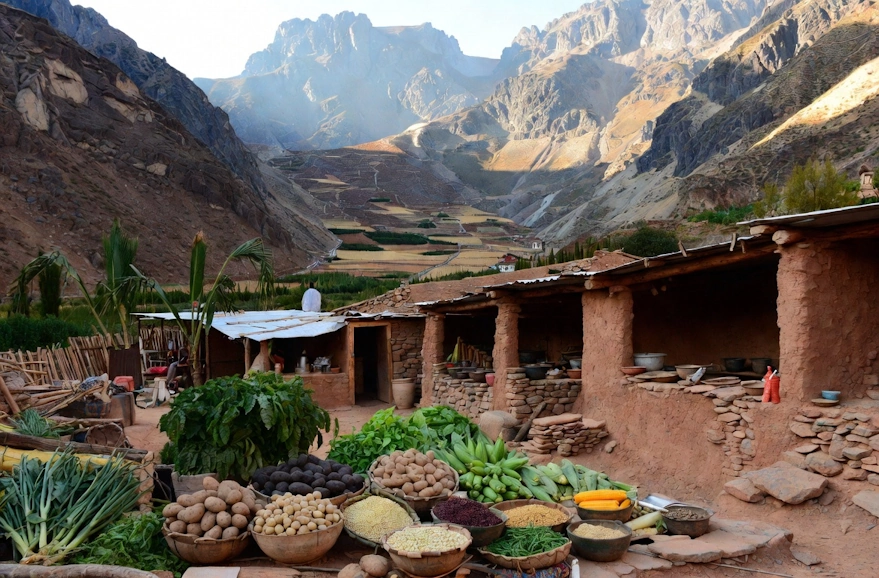
The Ancestral Pillars
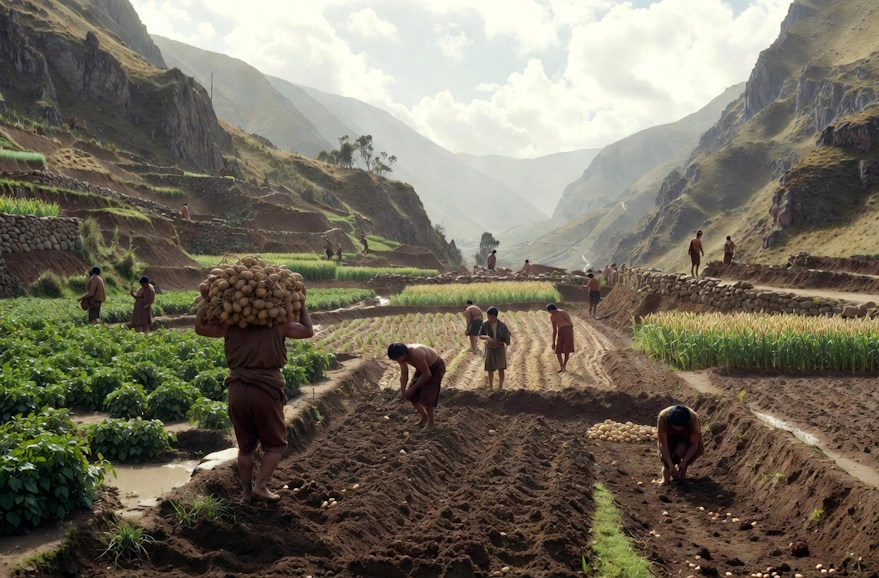
Ancient farming practices, which turned rugged terrains into fruitful lands, are the basis for Andean food. Pre-Columbian cultures, such as the Incas and ones that preceded them, farmed in conditions of intense cold, dryness, and high elevation. Their entire livelihood depended on a handful of sacred crops, which are still vital to Andean people today.
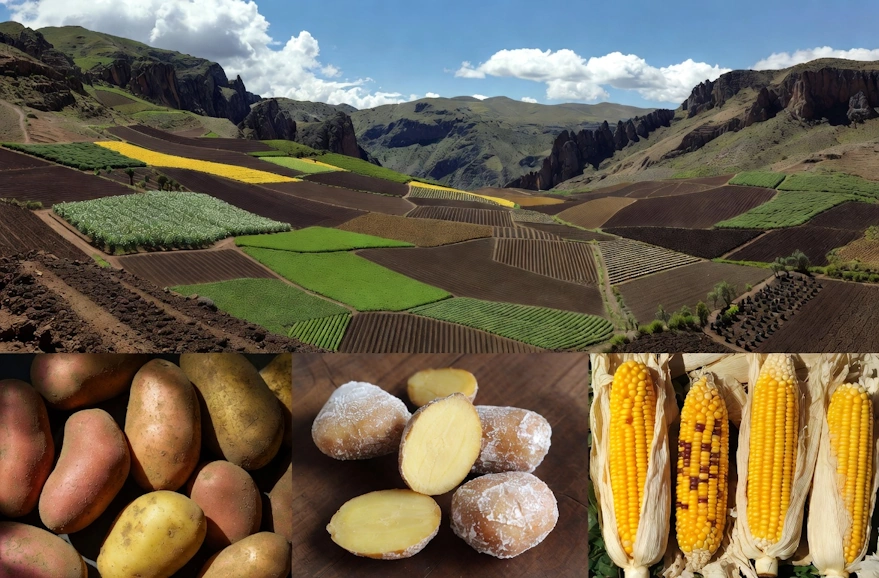
First up is the potato, which is a potent emblem of biodiversity and endurance. Originating in the Peruvian, Bolivian, and Ecuadorian highlands, potatoes come in more than 4,000 varieties with different colors, textures, and sizes. These strains have been developed by natives living at high altitudes ranging from 2,500 to 4,000 m above level ground, after centuries of native tending of seeds.
One of the most creative indigenous preservation methods, known worldwide today, to emerge from the Andes is that of chuño, freeze-dried potatoes made by leaving potatoes out on cold freezing nights and bringing them in during the hot daylight hours, and then repeating this for several days. This process, practiced as early as the 1200s—before the Inca Empire grew—enabled communities to preserve food for years, make it through difficult seasons, and trade and interact with one another.
Maize is another staple crop. Cultivated at altitudes as high as 3,900 meters, Andean maize is a far cry from the monotonous yellow corn found elsewhere. It comes in many different colors and textures and serves nutritional as well as ceremonial functions. It is eaten as mote (boiled kernels), turned into chicha (fermented for ritual and social use), and encases tamales. Corn is more than just food: it is a key component of Andean spirituality. With the consumer revolution in the 1940s came an urban culinary revolution and increased consumption of rice.
Encounter and Fusion: The Colonial Period
The 16th-century Spanish conquest brought ingredients and techniques that conflicted with Andean foodways. Onions, garlic, pork, and beef were gradually added to indigenous cuisine along with citrus. Although this era was one of violence, oppression, and loss of culture, indigenous peoples salvaged their ways of cooking by means of adjustment and defiance. Native ají peppers—such as rocoto and ají amarillo—are still a defining flavor of Andean cuisine, now combined with European herbs and spices in adobos and stews. In some dishes, such as horneado, pork replaced the traditional llama meat, and soups and ceviche-style dishes benefitted from the addition of citrus fruits. African influence made an impact on cuisine through new seasonings and frying methods; these were introduced through enslaved peoples. The result was not the erasing of cultural difference but a dynamic fusion, becoming in its effect the culinary disruption. But global flows went both ways, and while Andean food was becoming modern, it was still deeply traditional.
The Living Taste of Today: Ingredients That Define a Region
Modern Andean cuisine draws from customs old and new. From north to south and east to west in the Andes, regions have developed very distinct sets of ingredients and plates that reflect the local geography, weather patterns, and cultural history. Bold and flavorful is how you would describe food found in the highlands of Peru. Hot sauces and stews are made with rocoto, ají amarillo, and huacatay (black mint). They are combined with proteins like cuy (guinea pig) and fresh trout from icy streams up mountains. Wild herbs, edible flowers, and local farmer's produce add earthy, sustainable flavors that Singer says are born from a much deeper link between food and landscape.
Conclusion
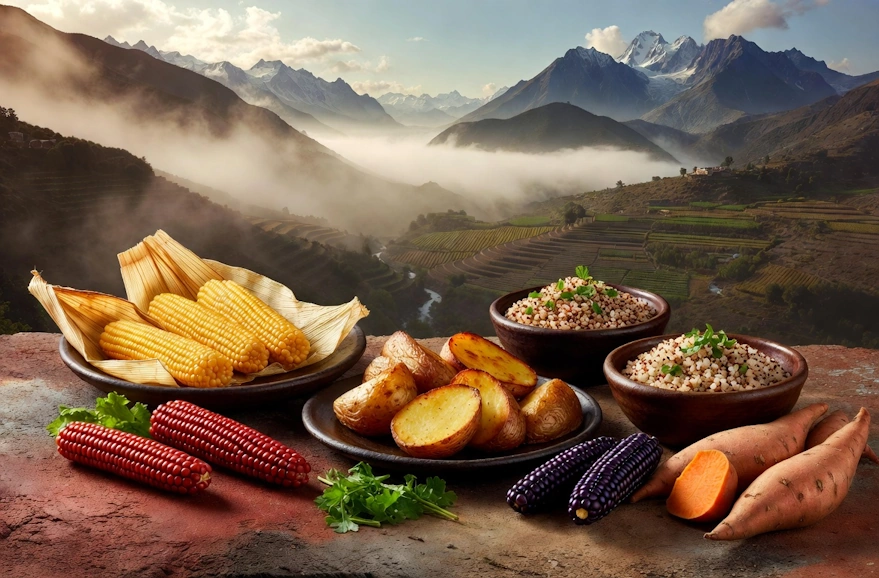
Based in the Andean culture and life, the traditional cuisine is a model of ancestral knowledge that is passed on from generation to generation, being a referent in other contexts. Thanks to such nutrient-rich crops as quinoa (which contains all the amino acids) and the adaptable potato, Andean food systems provide an inspiring example of sustainable nutrition. In a time of climate chaos and worldwide hunger, the Andes offer lessons in biodiversity, minimal-impact agriculture, and cultural survival. From each bite emanates the history of resilience and the knowledge of peoples who learned to live in harmony with their environment. The Andean plate teaches us that true food comes out of the earth, through the years, and with growing respect for the soil.
FAQs on Andean Foods
What food is common in the Andean region?
The potato is the backbone. With more than 4,000 native varieties, it is a symbol of biodiversity and survival. Quinoa and maize (corn) are the other two sacred, ancient pillars of the diet.
What is "chuño"?
Chuño is freeze-dried potato. Andean people expose potatoes to freezing nights and sunny days to remove all moisture. This age-old preservation technique produces a lightweight, long-lasting ingredient that is commonly added to soups and stews.
Do people actually eat guinea pig (cuy)?
Yes. In the Andean highlands, the guinea pig (cuy) is a traditional and ecologically sound protein source. It is usually roasted whole and is a festive dish for special occasions and festivals.
What makes Andean cuisine unique?
Its foundation is “Andean verticality.” Communities farm up and down the flanks of mountains, using different ecological tiers to cultivate everything from tropical fruits at lower altitudes to frost-tolerant potatoes and grains at the peak—all within a short distance.
What is a "pachamanca"?
Pachamanca is a traditional feast and cooking method. Meat, potatoes, corn, and herbs are marinated, wrapped in leaves, and cooked in the earth on hot stones. The event is as social and ritualistic as it is an offering to honor Pachamama (Mother Earth).
Is Andean cuisine very spicy?
It can be, but it is not uniformly spicy. It uses native ají peppers, including the hot rocoto and the flavorful ají amarillo. These are often incorporated into sauces (salsas) and stews, allowing you to control the heat level.
What do Andean people eat for breakfast?
It's usually a very simple, filling meal. You might find:
- Quinoa or barley-based porridge.
- Tamales (corn dough steamed in corn husks).
- Fresh cheese with bread or fried corn (cancha).
- A glass of chicha morada (a sweet beverage made with purple corn).
What differentiates Peruvian from Bolivian Andean cuisine?
They share core staples (potatoes, quinoa, corn) but have regional specialties.
Peruvian Andes: Known for dishes like rocoto relleno (stuffed spicy pepper) and trout from mountain streams.
Bolivian Altiplano: Relies more on preserved foods like chuño in hearty stews (saice) and uses llama meat more frequently.
What is a signature dish of Peru?
While ceviche is famed from the coast, a strong contender from the Andes is Lomo Saltado. This is the ultimate fusion dish: stir-fried beef (Chinese influence) with tomatoes, onions, and ají (Andean), served over french fries (European) with rice.
Why is quinoa so popular?
Quinoa is a complete protein because it contains all nine essential amino acids. It is extremely hardy and can thrive in poor, high-altitude soils where other crops fail. After centuries of local use, its nutritional power has turned it into a global superfood.